
Tagged with Art
Resource : The Fighting Temeraire
JMW Turner is one of Britain’s best loved artists. He became known as the ‘painter of light’ due to his trademark style and use of colour in landscapes and seascapes. The Fighting Temeraire, one of his most famous oil paintings, shows the warship Temeraire being towed by a steam-powered tug on its last ever journey before being broken up. It is said to symbolise the decline of Britain’s naval power, the passing of the ‘glorious’ age of sail and the growth of ‘modern’ technology in an increasingly industrialised Britain. The industrial revolution and the history of the Royal Navy were therefore both saluted, through Turner’s revolutionary brand of romantic landscape painting.
Resource : Battlefield Injuries Illustrated by Charles Bell
This entry includes graphic illustrations of war injuries which some may find upsetting.
This is a watercolour painting by Charles Bell, a British Army surgeon who helped to treat the wounded after the Battle of Waterloo. His haunting paintings are stark reminders of what early 19th century battle injuries were like. They are rare images executed by a practising surgeon and artist, which was an unusual combination. While his portraits powerfully show the agony and trauma experienced by these young men, they also describe their wounds with anatomical accuracy.
Resource : The Plumb-Pudding in Danger
This print was one of over a thousand satires produced by the celebrated caricaturist, James Gillray, who became known as the ‘father of the political cartoon’. In the 18th century, cartoons and caricatures were a popular way of mocking the establishment and calling them to account. They would be discussed and enjoyed in shop windows, coffee houses and taverns. The arrival of the industrial printing press in the 1800s helped to spread them far and wide, through broadsides (posters), newspapers and pamphlets. This one was inspired by the resumed hostilities and ongoing rivalry between Britain and France in 1805.
Resource : Sir Joshua Reynolds’ portrait of Sir Banestre Tarleton
This portrait shows the flamboyant and controversial figure Sir Banestre Tarleton, a cavalry officer best known as commander of the ‘Tarleton Raiders’ during the American war of independence. It was painted by Sir Joshua Reynolds, the leading British portrait painter of the 18th century. Reynolds was a founding member of the Royal Academy and its first President, and was knighted by King George III.
Resource : The arts in the Age of Revolution
The works of Mary Shelley, Robbie Burns, Ludwig van Beethoven and George Stubbs to name a few, the Age of Revolution left a magnificent legacy of music, poetry, literature and art and still inspires the creative arts today.
Resource : Toussaint Louverture, Chief of the French Rebels in St Domingo
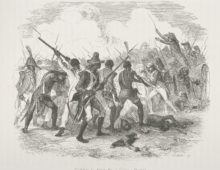
Toussaint Louverture (1743 – 1803) was born into slavery in St Domingue (now Haïti) on the Caribbean island of Hispaniola. In 1791 he led the first – and only – successful uprising of enslaved Africans. Although he died before the revolution spawned a nation, in 1804 Haiti became the first independent ‘black’ republic and contributed to the decline of the transatlantic slave trade. The events in St Domingue became known as the Haitian Revolution. This and other depictions of Louverture (in print and portraiture) reflected the high levels of fascination and respect expressed around the world for a radical figure who had refused to yield and who surmounted all foes in the revolutionary contests.